The latest economic data indicates the wealthiest 10% of Americans now account for half of consumer spending, or to look at it the other way around, 90% of the country is responsible for only half of consumption. Wow! In other words, our society is now so out of whack that the richest Americans are responsible for half the economy. Wow again! But the data creates the false impression that, despite persistent inflation and stagnant wage growth, consumer spending remains “resilient,” and the economy is doing just fine. No, let’s be clear, it’s only doing fine for the wealthiest 10%; it’s decidedly not doing fine for the other 90%, who are increasingly unable to afford basic necessities, struggling to pay their bills, and piling up credit card debt by the day. Regardless of what President Trump says, and might even believe despite considerable evidence to the contrary, the economy is downright terrible for the majority of Americans and only getting worse.
In this humble spirit’s opinion, traditional measures of the American economy are obsolete and shouldn’t be taken any more seriously than President Trump’s ridiculous propaganda. In truth, we now have two distinct economies—and very possibly countries—one for the wealthy and one for everyone else. In the first, higher-earning consumers, taking advantage of their asset-based wealth—the stock market, real estate, art and collectibles—are splurging on luxury goods, second homes and vacations. In the second, however, staple goods—along with housing, healthcare, utilities and gasoline—have grown increasingly unaffordable. To call this a K-shaped economy is a misleading understatement. A wealthy minority are being rewarded, while the majority are being squeezed out of a middle-class lifestyle. (By the way, might we all agree that if you can’t afford quality healthcare you are not middle-class?)
Some of you may recognize this phenomenon as an example of “the Matthew effect” as stated in the Book of Matthew 25:29: “For to everyone who has, more will be given, and he will have abundance; but from the one who does not have, even what he has will be taken away.”
Economists warn that this two-tier economic structure is now a core feature — not a temporary phenomenon — of American society. According to Mark Zandi, chief economist at Moody’s Analytics, “this is not a cyclical or temporary phenomena; this is a fundamental, structural issue.” To put it in layman’s terms and drive home the point, a recent LendingTree survey found that 80% of Americans now view fast food as a luxury item. Yet another wow! Clearly there is more than a K-shaped gap between the folks who can’t afford dinner at McDonald’s and Trump’s billionaire cronies with their yachts and private jets.

Average People Can No Longer Afford Life’s Necessities.
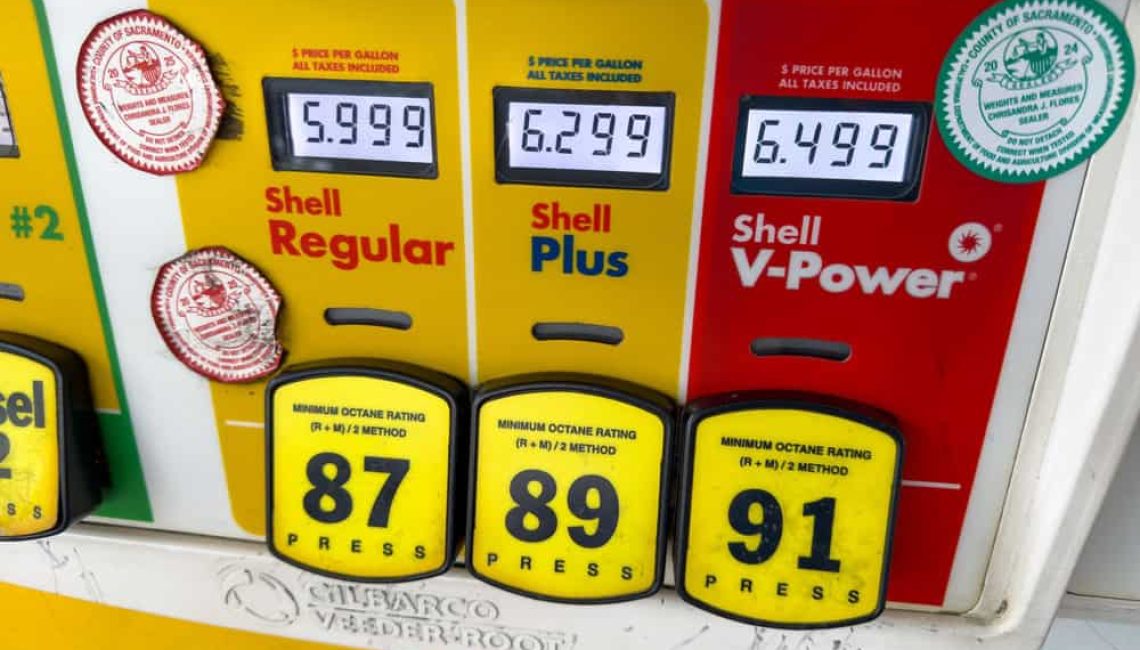
In particular, thanks to Trump’s ill-conceived war with Iran, gas prices now average over $4.50 a gallon nationwide and are unlikely to come down any time soon, regardless of whether a peace deal is struck. Unlike most consumer prices, the cost of gasoline fluctuates and can be impacted by any number of factors, including government policy. Unfortunately, however, President Trump has chosen to ignore his campaign promise when it comes to keeping gas prices down. Is there any question that Trump’s attitude toward struggling Americans is “let them eat cake”?
As a result, consumer sentiment, a broad measure of how Americans view their financial outlook, has continued to slide. According to the University of Michigan’s most recent Index, U.S. consumer sentiment has slumped to a record low (48.2) as higher gasoline prices weigh on household finances and purchasing power. Yet another wow.